SciShow Space
The Hunt for Water on the Moon
This 2017 SciShow Space explainer revisits the search for lunar water, including what impact experiments can reveal.
Watch at the sourceWhere did it all begin?
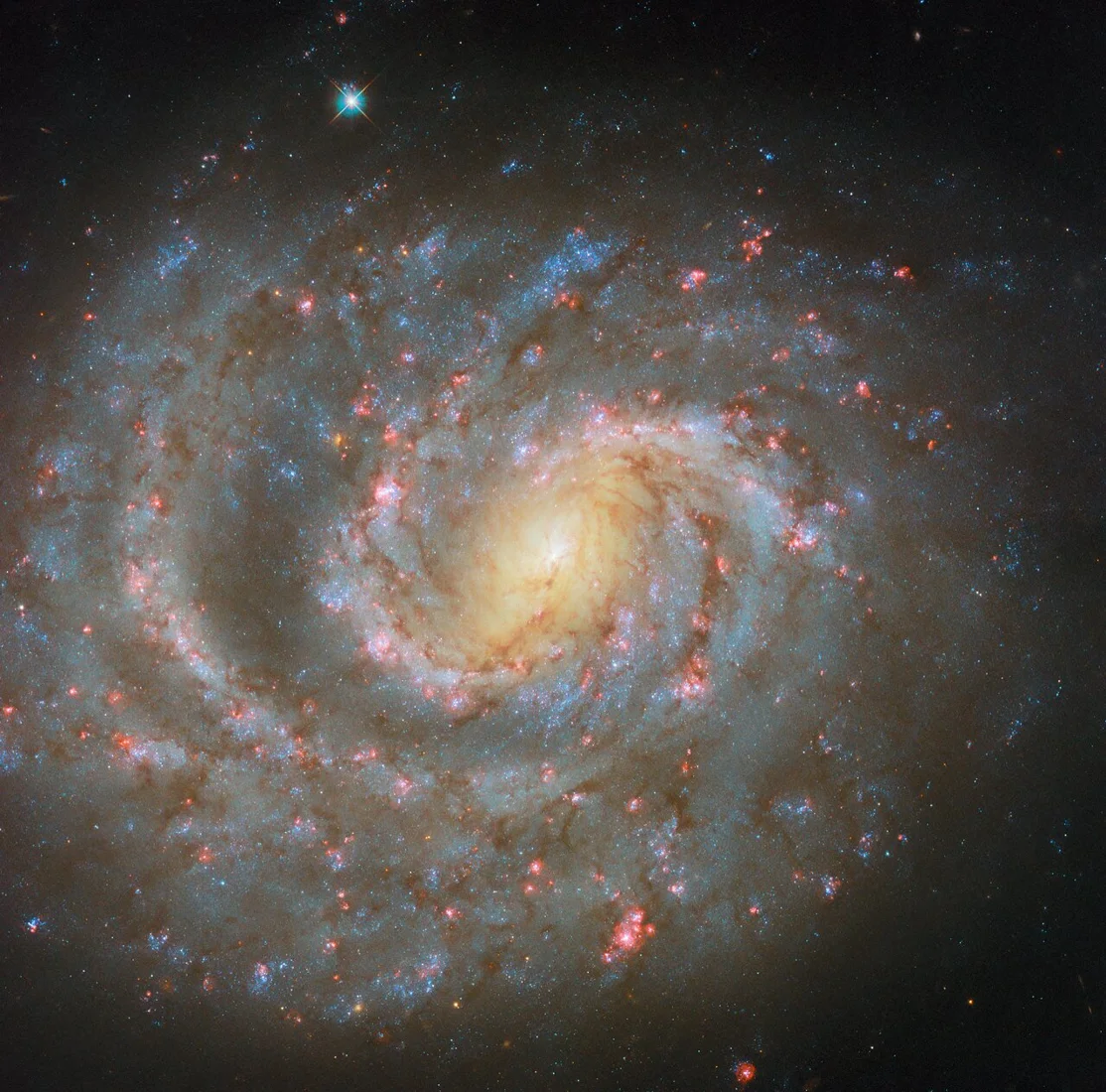
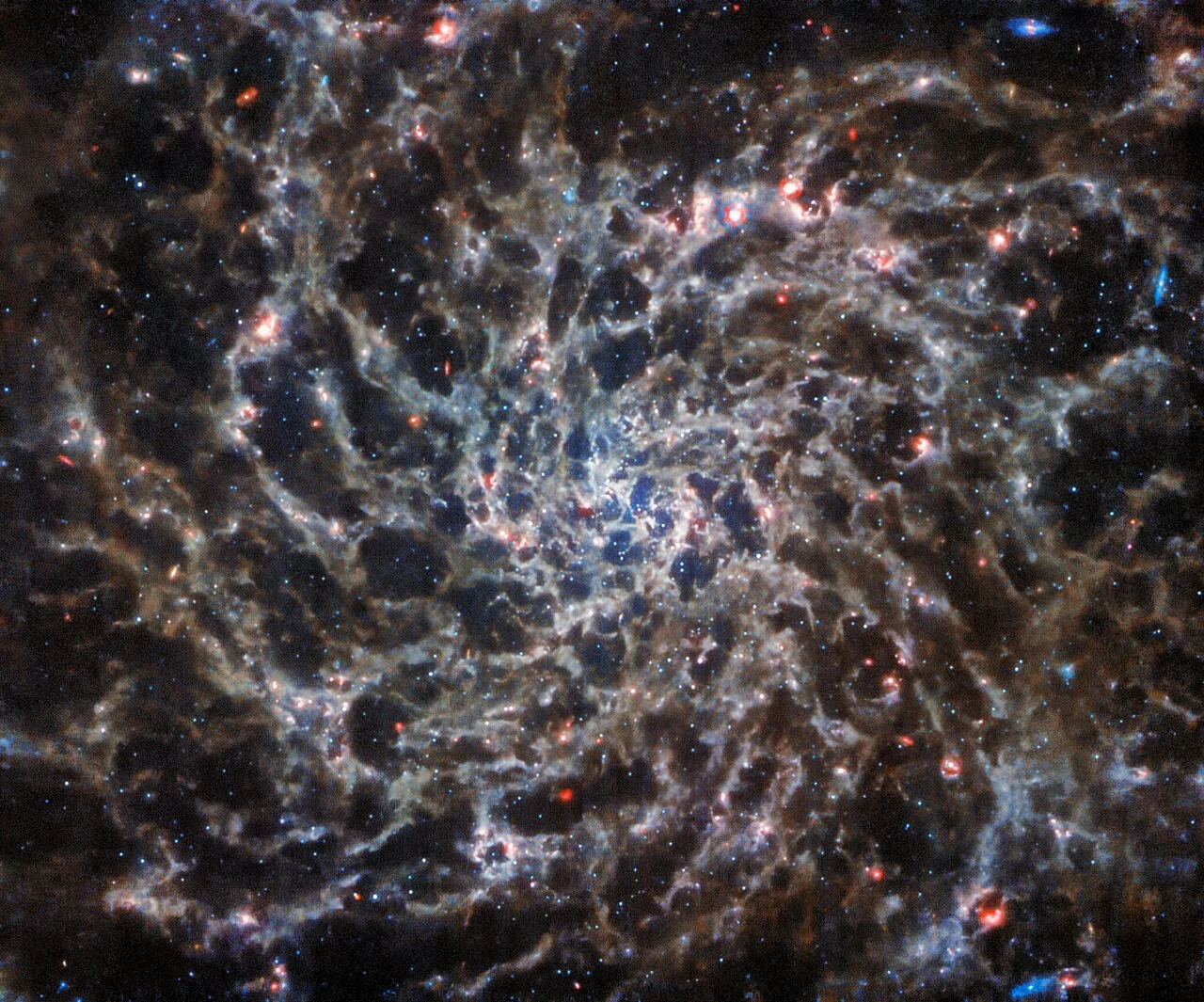
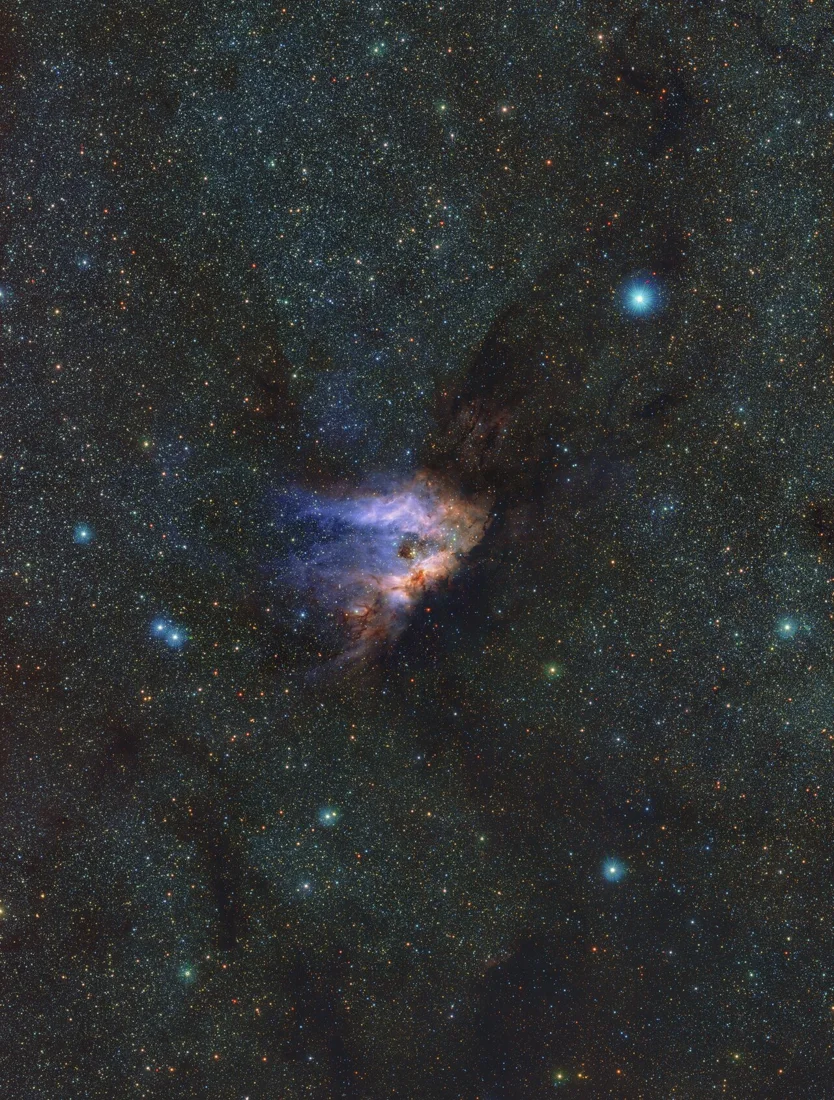
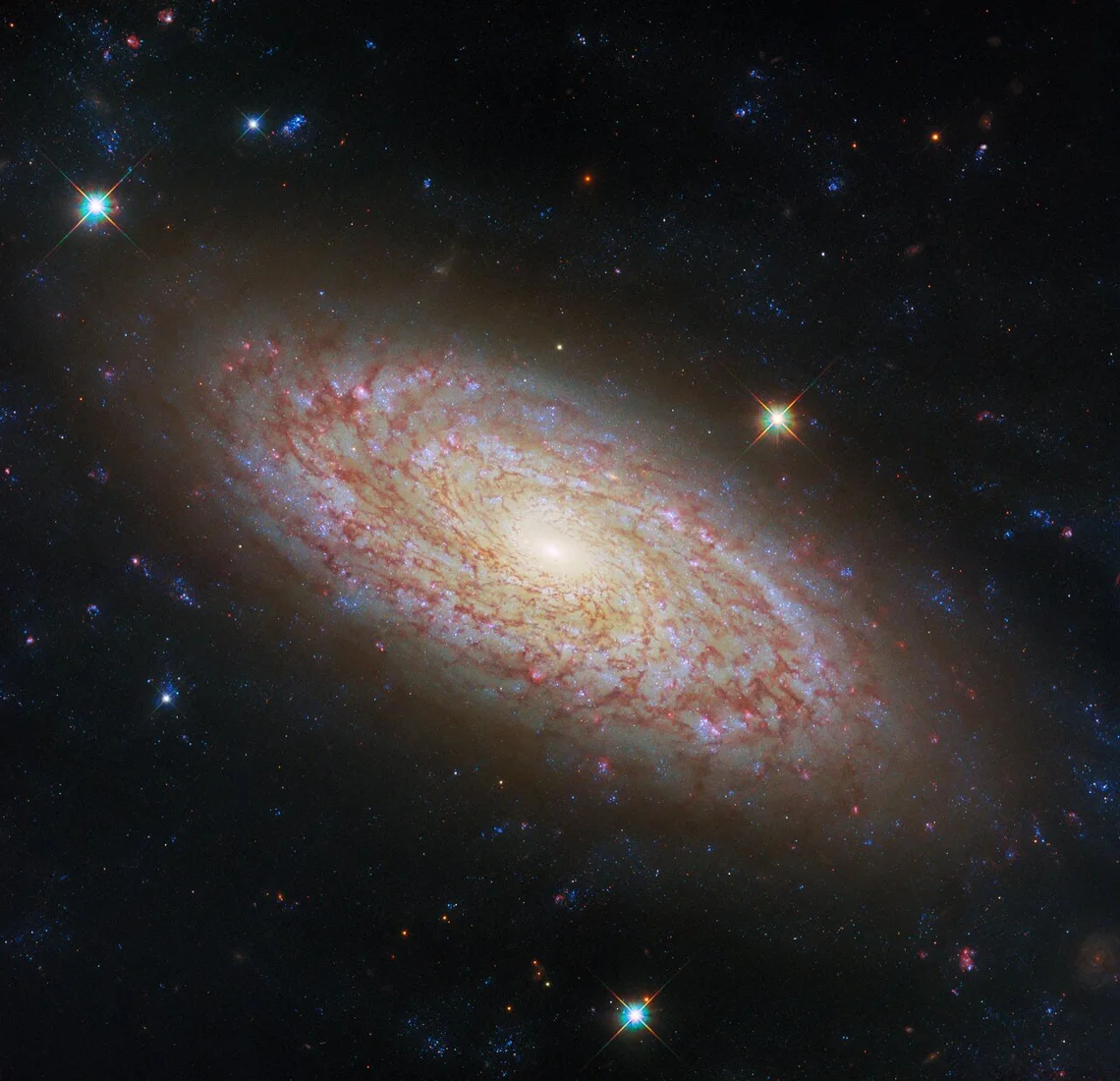

Coverage scheduled Nov 29, 10:25 AM EST. The photos will switch to the official player when the broadcast is live.
Event details and viewing guideOfficial broadcast artwork: NASASciShow Space
This 2017 SciShow Space explainer revisits the search for lunar water, including what impact experiments can reveal.
Watch at the sourceFermilab
Physicist Don Lincoln introduces the astronomical evidence for dark matter and the experimental search for its identity.
Watch at the sourceShares of evidence points. Some ideas can coexist.
Compare explanations and vote.
Enter the arena →Five new questions every day.
Take the quiz →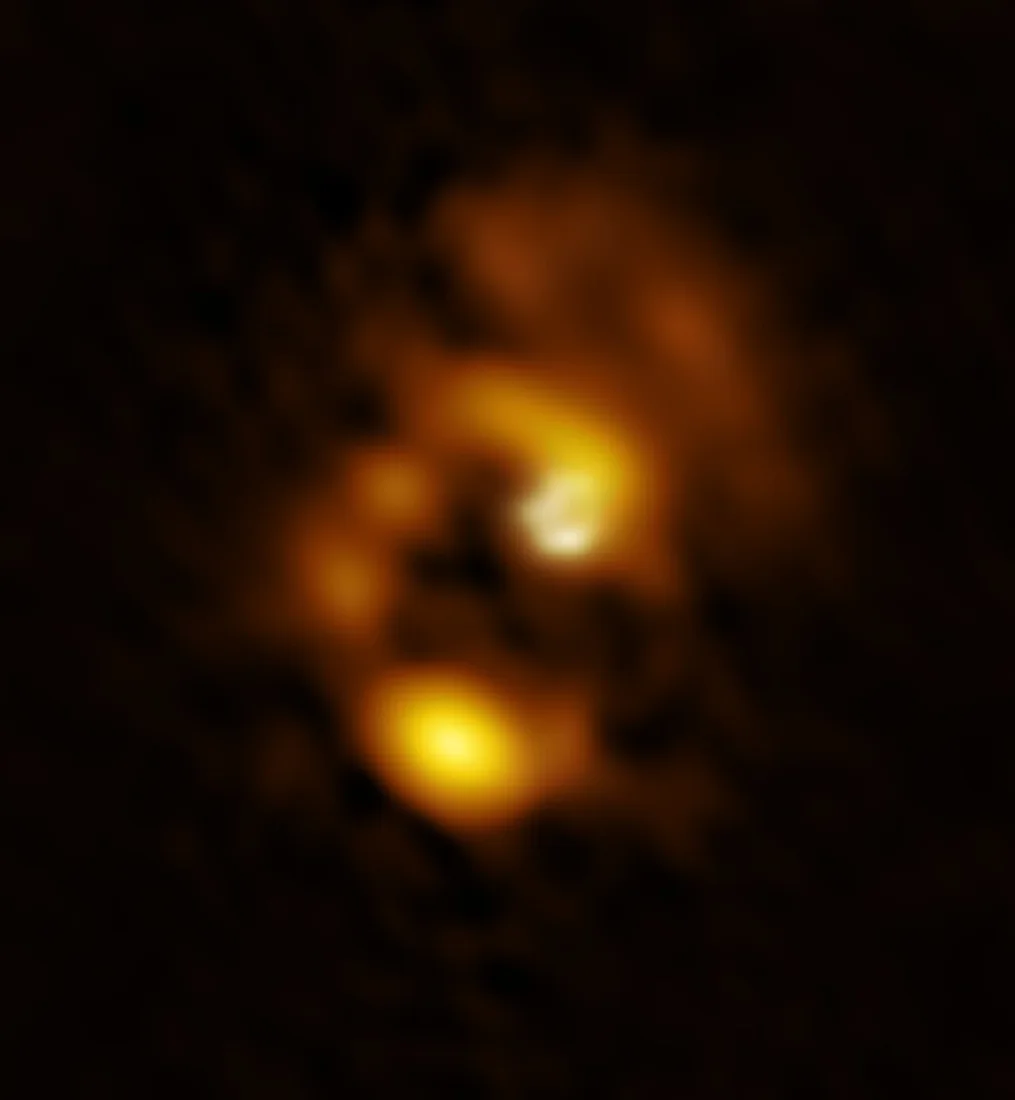
ALMA resolves Mira A and a gas loop reaching roughly ten astronomical units from its surface.
Ten years of ALMA images connect a bright flare on Mira A with an expanding gas loop seen two years later.
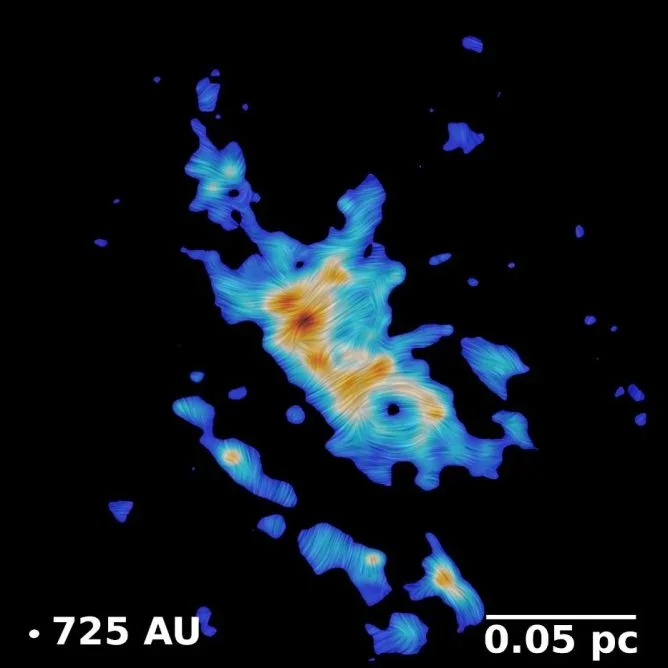
An ALMA survey field: color traces 1.3-millimeter dust emission and overlaid patterns indicate inferred magnetic-field orientation.
Liu et al. (2026) - ALMA (ESO/NAOJ/NRAO) (resized) · License
ALMA mapped polarized dust emission in thirty massive star-forming regions.
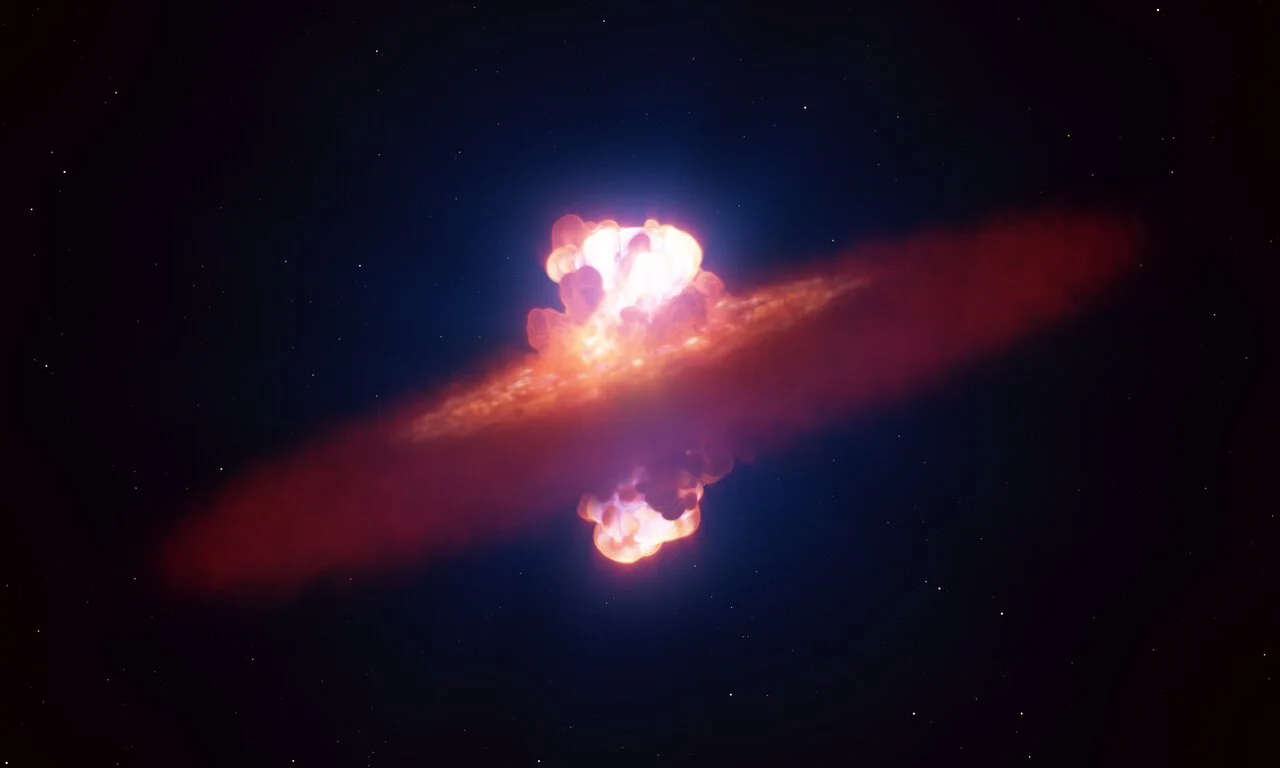
Illustration of the geometry inferred from polarized light in SN 2024ggi, rather than a resolved photograph of its surface.
Astronomers observed SN 2024ggi just 26 hours after its discovery, before surrounding material obscured the initial explosion geometry.
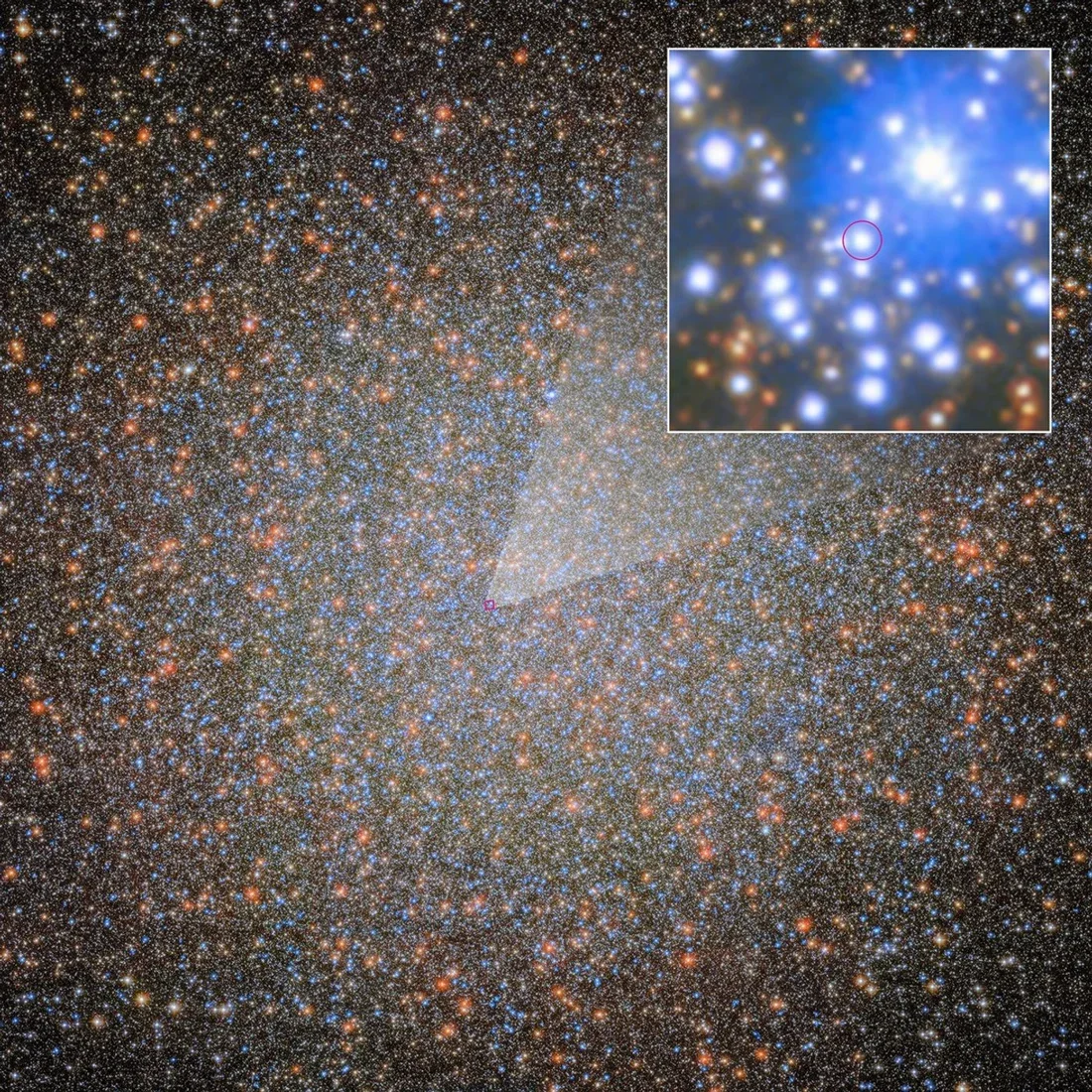
Hubble’s Omega Centauri image marks the visible companion used to infer the stellar-mass black hole.
Astronomers tracked a visible star for more than twenty years with Hubble and Webb observations.
AARO released 54 seconds of a 2026 military sensor recording from the Middle East. The report remains unresolved.
NASA’s Jet Propulsion Laboratory lists 2025 CP1 for a November 30 flyby at about 3.06 million miles from Earth.
Read the flyby or mission details · How NASA studies and tracks asteroids
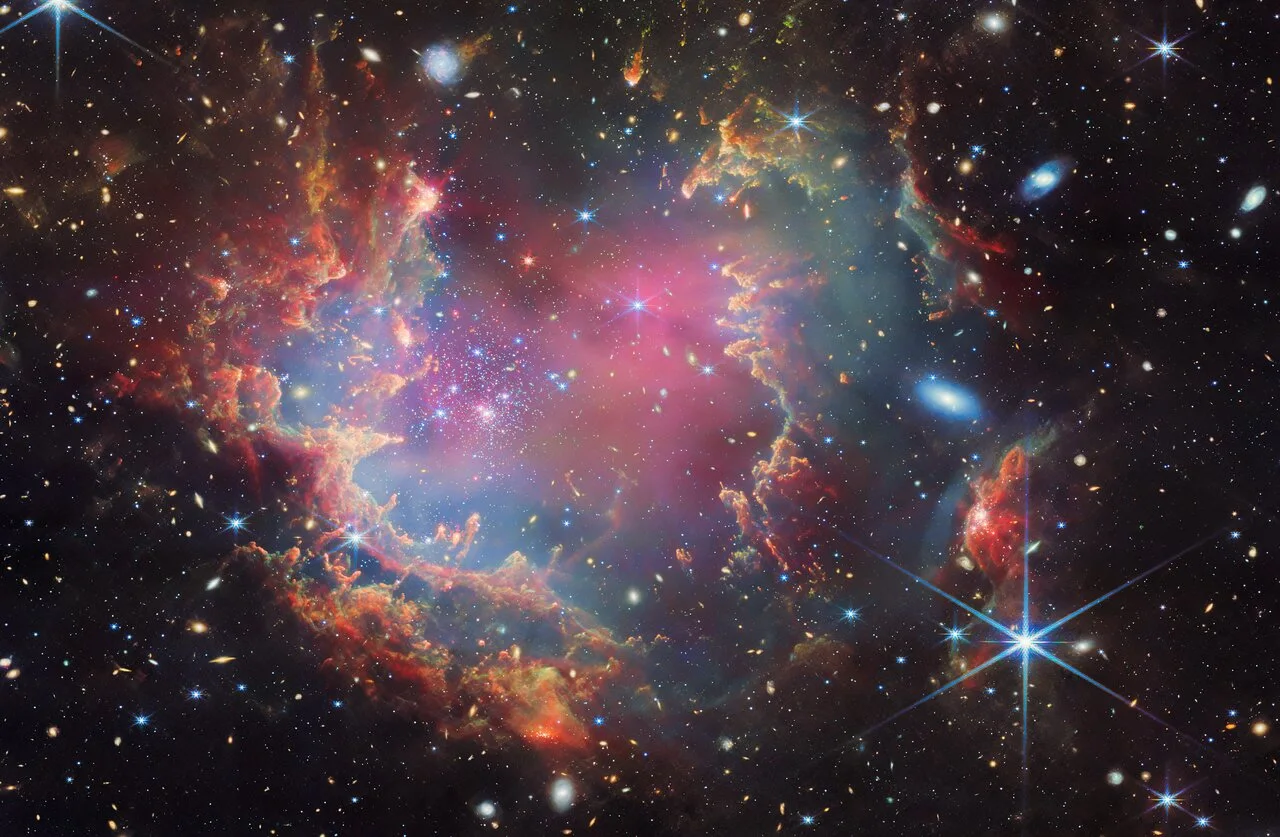
The observing team explains the target and how it was imaged on the original release.
Updated
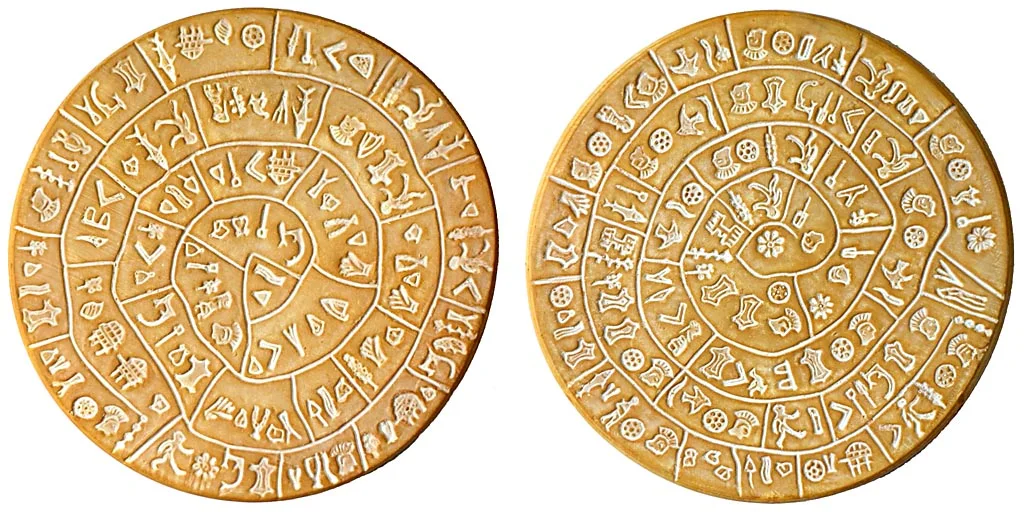
A replica shows the disc’s spiral arrangement of impressed signs.
Maksim / Wikimedia Commons (CC BY-SA 3.0, resized) · License
The Heraklion museum describes 241 impressed signs arranged in spiral groups on the Phaistos Disc.
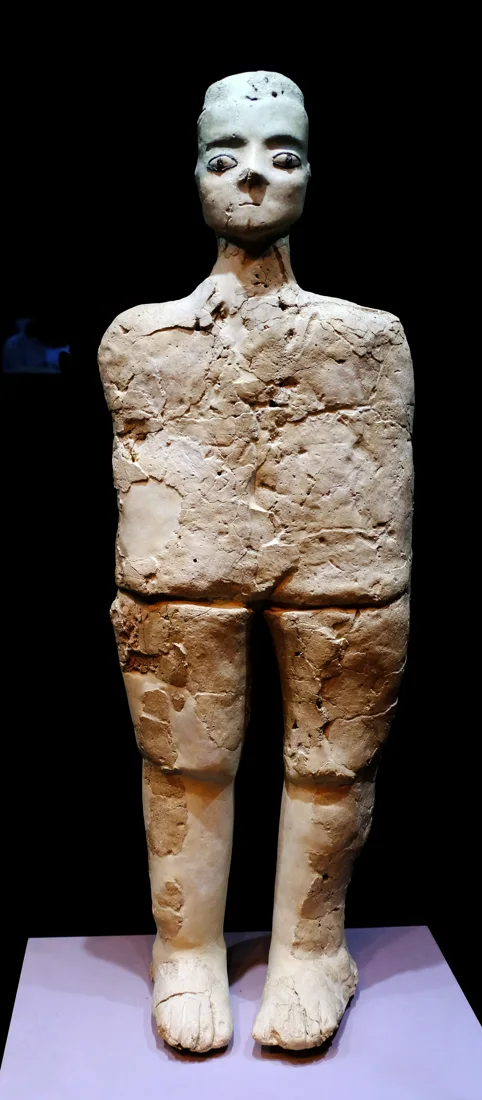
A plaster figure from Ain Ghazal; conservation research used traces of internal reed armatures to reconstruct production.
Davide Mauro / Wikimedia Commons (CC BY-SA 4.0, resized) · License
Conservators studying five plaster statues from Ain Ghazal reconstructed how reed bundles and cord supported their bodies.