The Big Bang
The early universe was extremely hot and dense. Space expanded and cooled. The leftover glow and the way galaxies move help us test this picture.
Planck · Cosmological parametersOrigin Question ranks the leading explanations for how the universe began. We weigh evidence from any source readers can verify and update the leaderboard as new findings come in.
Loading this week’s question…
Compare competing explanations and vote on which question deserves a closer look.
Enter the arena →Three quick questions on pyramids, Mars, and the search for alien civilizations.
Take the quiz →The early universe was extremely hot and dense. Space expanded and cooled. The leftover glow and the way galaxies move help us test this picture.
Planck · Cosmological parametersIn its first moments, space may have expanded far faster than it does today. That could explain tiny differences in the universe’s oldest light. Physicists still debate what drove it.
Planck · Constraints on inflationThe universe’s expansion is speeding up. Some measurements hint that whatever drives that speed-up may change over time. The hint still needs confirmation.
DESI · DR2 cosmological constraintsImagine an earlier universe shrinking, then expanding again. Some models predict that a bounce like this could start the expansion we see. We have no confirmed sign of one.
Ashtekar & Singh · Loop quantum cosmologyWhat if our universe is one chapter in a repeating story? Some models propose cycle after cycle. We have no confirmed evidence of an earlier cycle.
Steinhardt & Turok · A cyclic modelA published model proposes 26.7 billion years. It makes numerical predictions that can be checked against telescope data. The standard estimate remains about 13.8 billion years.
Rajendra Gupta · Older-universe proposalOne physics model starts with a universe that stayed nearly the same size before expanding. There’s no confirmed observation of that earlier phase.
Ellis & Maartens · The emergent universeOne physics model proposes that a collapsing black hole in another universe could give rise to ours. There’s no confirmed signal that distinguishes this scenario from other accounts.
Nikodem Popławski · Black-hole modelSome models predict separate regions of space, often called bubble universes. The idea has versions with different predictions and no confirmed observation of another universe.
Stanford Encyclopedia · The multiverseWhat if everything we experience runs on a computer? The original argument is philosophical. The broad idea has no agreed test that would settle it.
Nick Bostrom · Simulation argumentWe ran five checks against published observations to see whether the leaderboard should move.
What telescopes and their teams have observed.
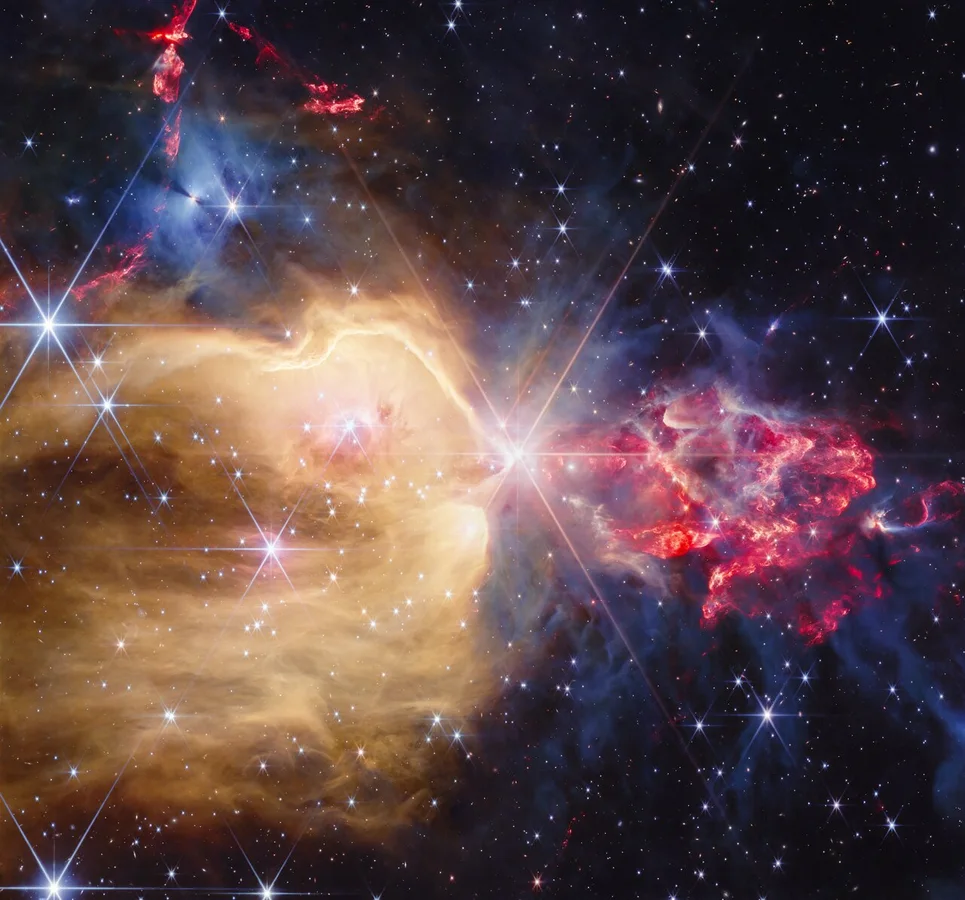
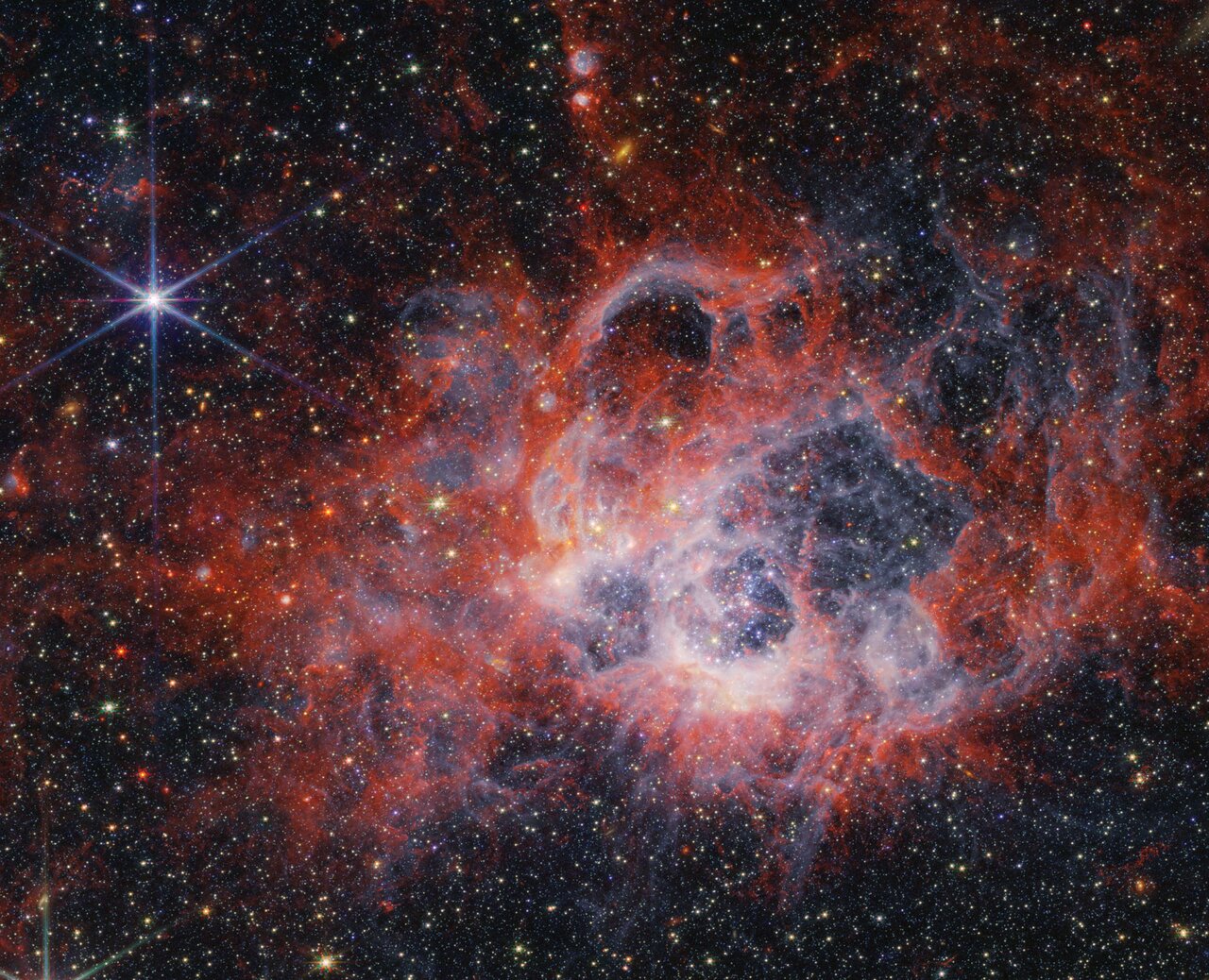
Webb’s infrared view of the NGC 7129 stellar nursery.
NASA, ESA, CSA, STScI; Image Processing: A. Pagan (STScI) · License
NASA’s November 16 image feature revisits Webb’s infrared view of NGC 7129. The image shows young stars and knots of glowing material where their jets interact with the cloud, giving astronomers a way to study how newborn stars reshape their surroundings.
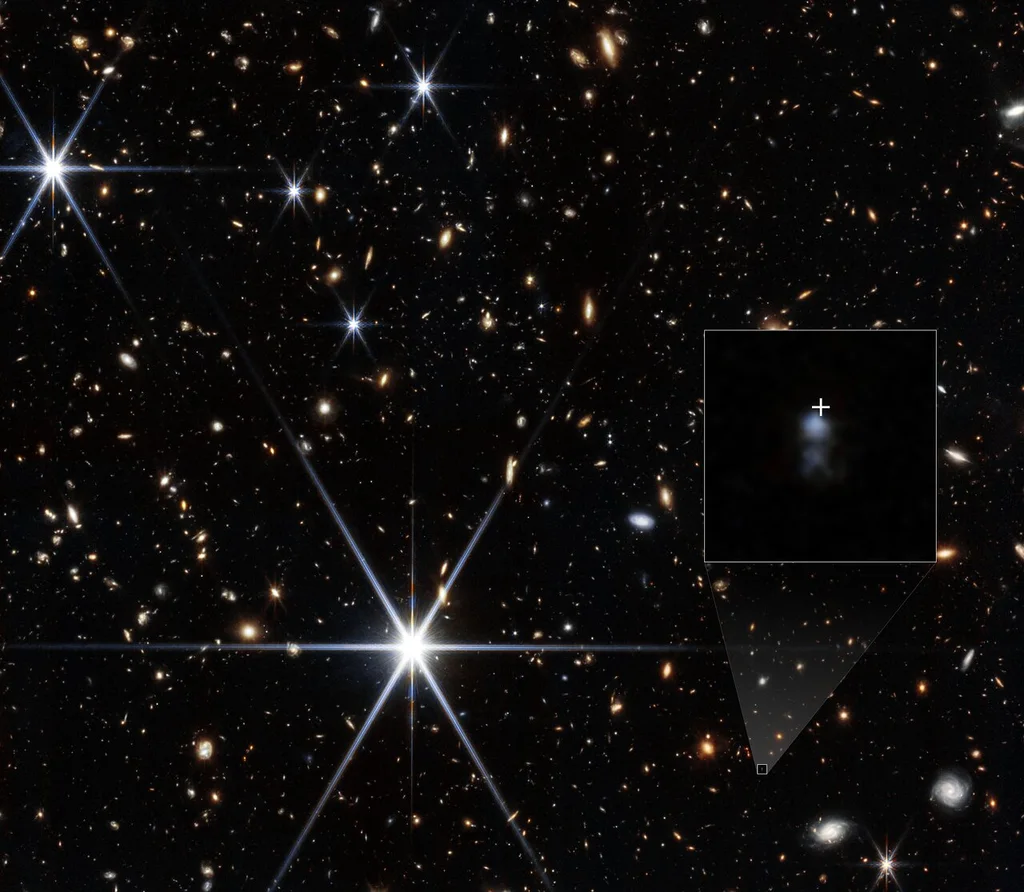
Webb’s view of the host of FRB 20240304B, with the burst position marked.
NASA, ESA, CSA, STScI, T. Nanayakkara (USYD). Image Processing: J. DePasquale (STScI) · License
Webb located the host galaxy of FRB 20240304B. Its light puts the burst about three billion years after the Big Bang, making it the most distant known fast radio burst at the time of the report. Its host offers clues about the source, whose identity remains uncertain.
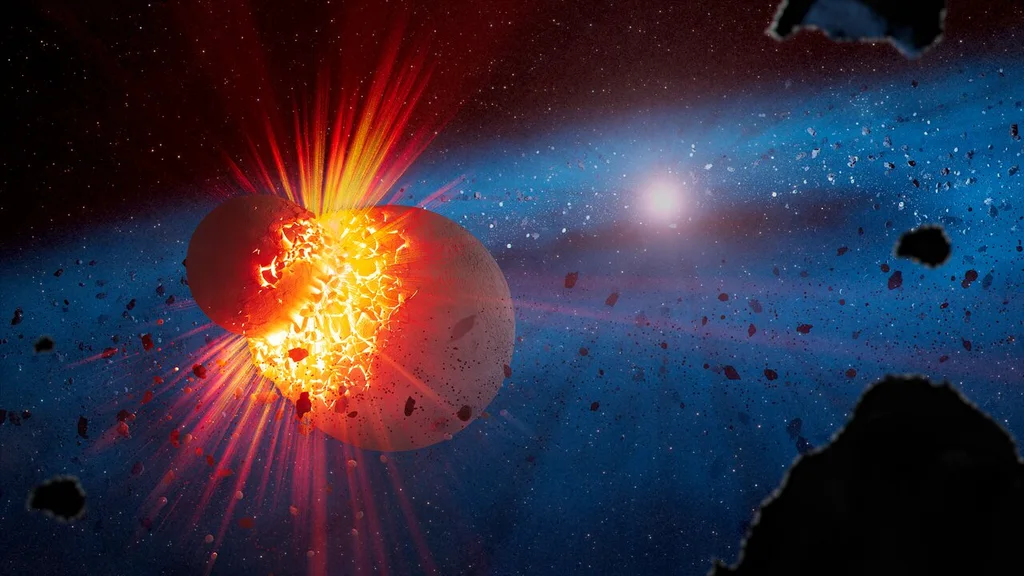
Artist’s concept of a collision inside an extreme debris disc.
Webb measured the chemistry of dust around young stars. Some discs had silica-rich material consistent with collisions energetic enough to vaporize rock. Researchers infer the likely size of the colliding bodies from the debris; Webb did not see the impacts themselves.
What researchers measured, modeled, or are still trying to test.
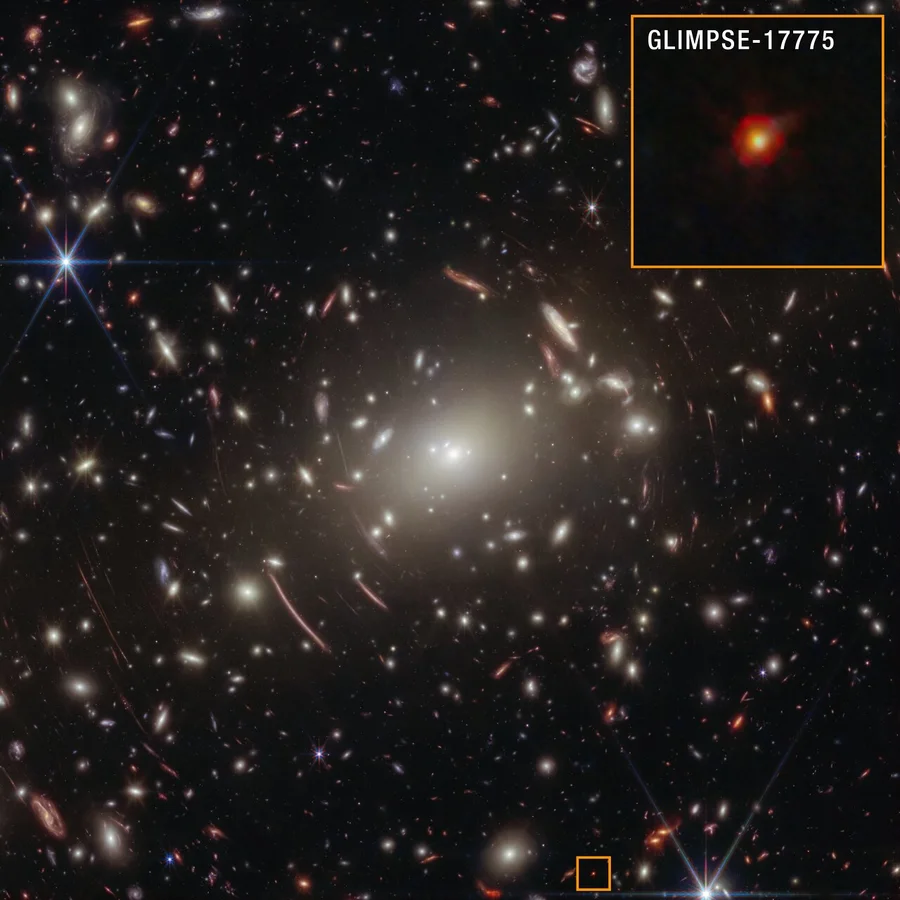
The annotated Webb image identifies GLIMPSE-17775 behind the Abell S1063 cluster.
NASA, ESA, CSA, V. Kokorev (University of Texas at Austin), A. Pagan (STScI) · License
Webb’s spectrum of GLIMPSE-17775 supports the idea that a growing supermassive black hole is shrouded in dense gas. This is evidence about one object. Researchers still need to see whether the same explanation fits other little red dots.
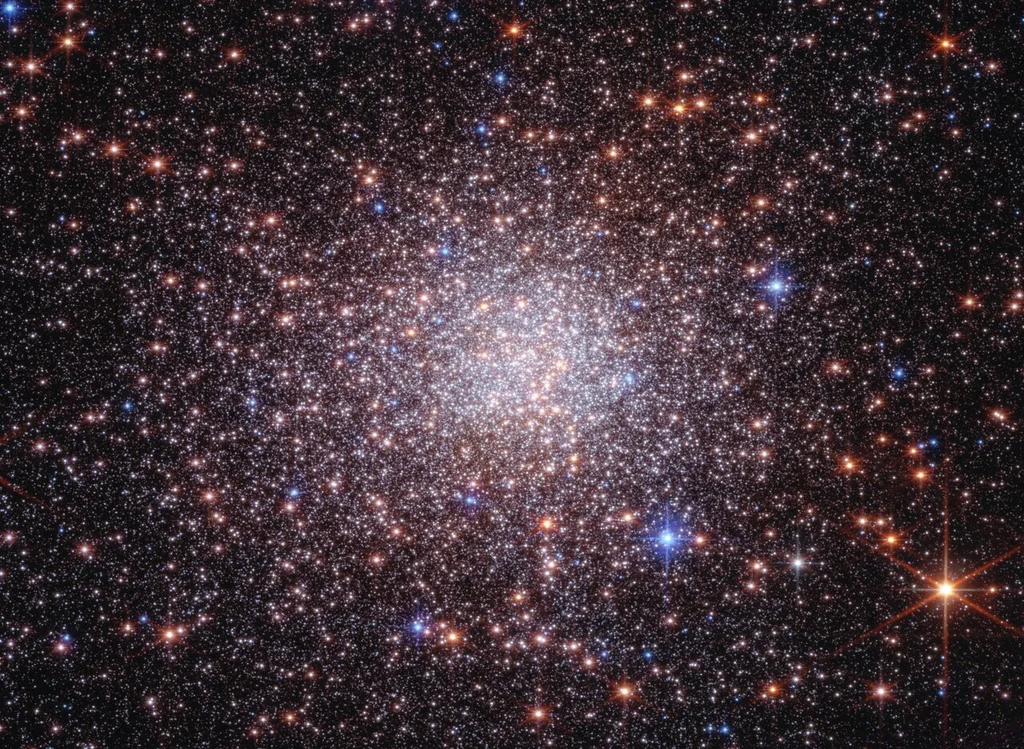
Webb and Hubble’s view of Terzan 5.
NASA, ESA, CSA, STScI, G. Zullo (University of Bologna), F. R. Ferraro (University of Bologna). Image Processing: A. Pagan (STScI) · License
Webb and Hubble observations point to as many as four episodes of star formation in Terzan 5. That history supports classifying it as a surviving fragment of the Milky Way’s early bulge and explains why an ordinary globular-cluster label fell short.
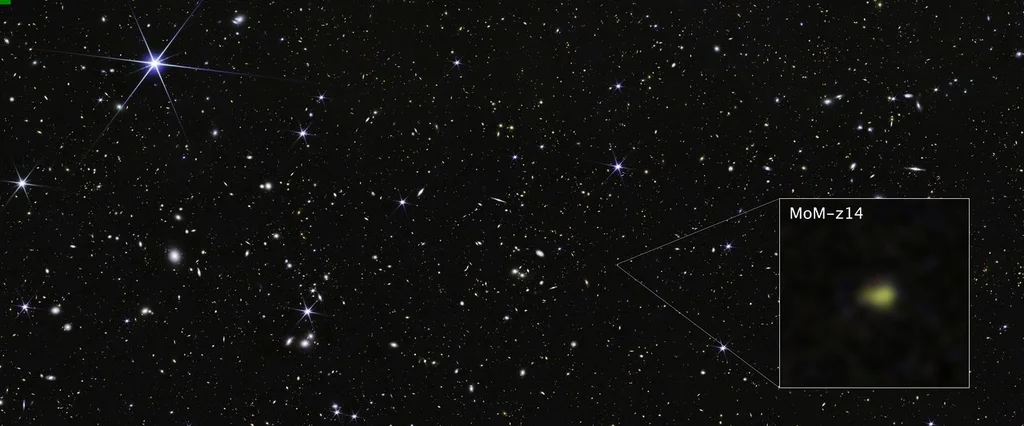
Webb’s COSMOS field with the distant galaxy MoM-z14 identified.
NASA, ESA, CSA, STScI, R. Naidu (MIT), Image Processing: J. DePasquale (STScI) · License
Webb spectroscopy confirmed that MoM-z14 was already shining about 280 million years after the Big Bang. Its brightness and early appearance give galaxy-formation models a concrete benchmark. The observation does not on its own imply a different age for the universe.
A disputed claim · Two videos
Flat-Earth advocate Mark Sargent explains his case in his own words. A NASA scientist takes up the same question using observations people have made for centuries. Try the shadow test, then decide what you’d measure next.
On the same date, ask someone well north or south of you to measure a vertical stick’s shadow at their local solar noon. Record the stick height, shadow length, and locations. Earth’s curvature predicts how the angle changes with latitude. Repeat with a third location to give competing explanations another observation to match.
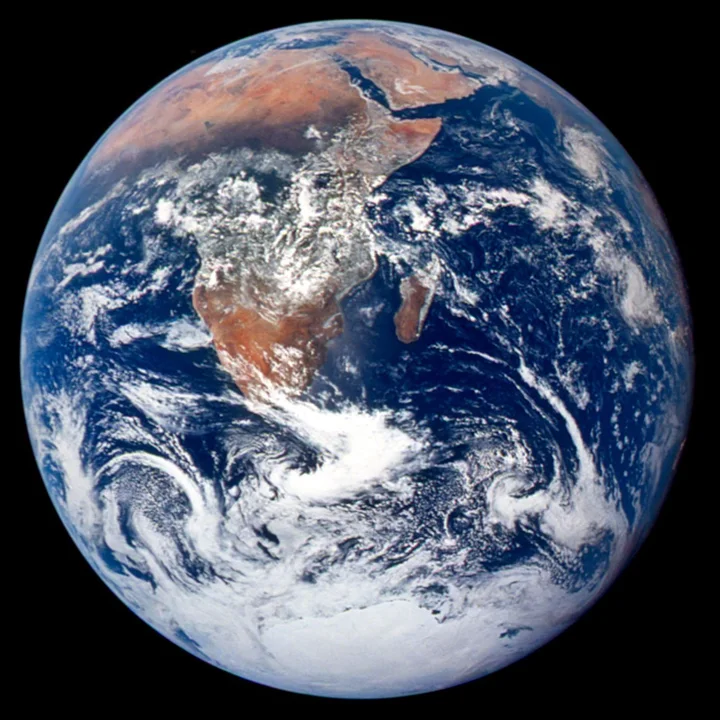
The Blue Marble, photographed from Apollo 17 in 1972.
The Why Files · Hollow Moon
Apollo deliberately crashed hardware into the Moon, and the vibrations took a long time to die out. The Why Files follows the story into a wilder idea: an engineered, hollow Moon.
Quake waves travel differently through different materials. Apollo measurements reveal a layered interior. The gradual fading of vibrations tells us about how lunar rock carries and scatters energy.
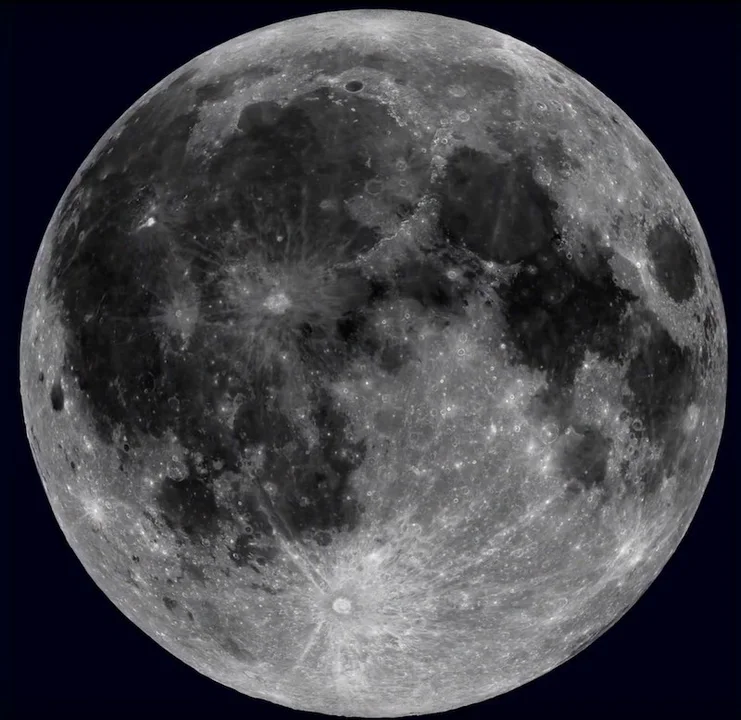
The Moon’s near side, mapped by the Lunar Reconnaissance Orbiter.
StarTalk
Neil deGrasse Tyson and Chuck Nice talk with astronomer David Kipping about how scientists look for moons around distant planets and what we might learn from worlds that roam without a star.
StarTalk
Neil deGrasse Tyson, Matt Kirshen, and cosmologist Brian Keating discuss inflation, the cosmic microwave background, and what a multiverse might mean.
Mindscape
Sean Carroll and his guests explore where general relativity reaches its limits and what proposed models say about an earlier universe.
Astronomy Cast
Fraser Cain and Pamela Gay explain how an infrared sky survey can look for patterns left by inflation.
Measured
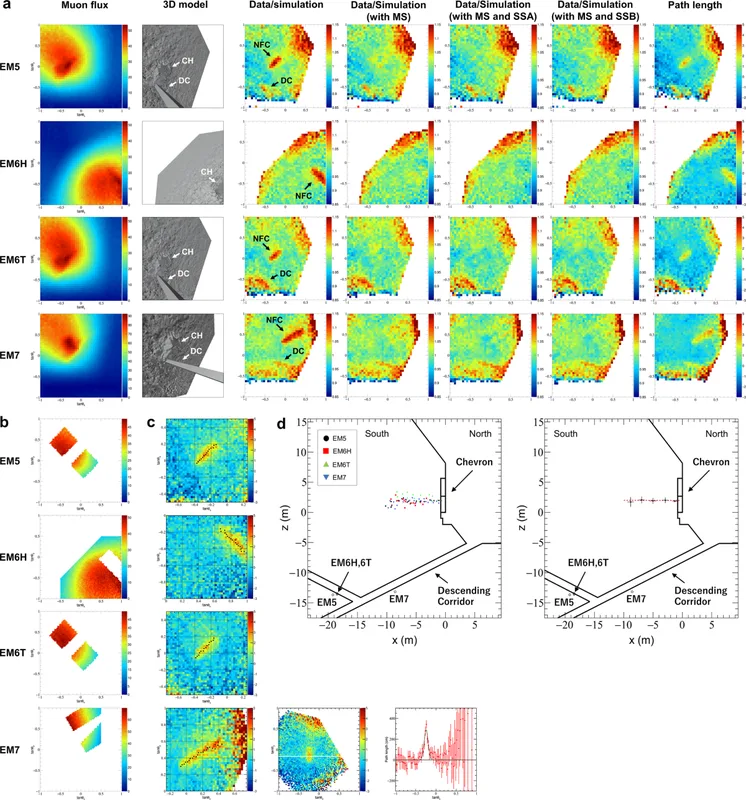
An analysis figure from the 2023 ScanPyramids corridor study.
Procureur et al., Nature Communications, Fig. 4 (resized) · License
Three detector systems independently identified a large void above the Grand Gallery in 2017. A separate 2023 study characterized a corridor near the north face.
Measured
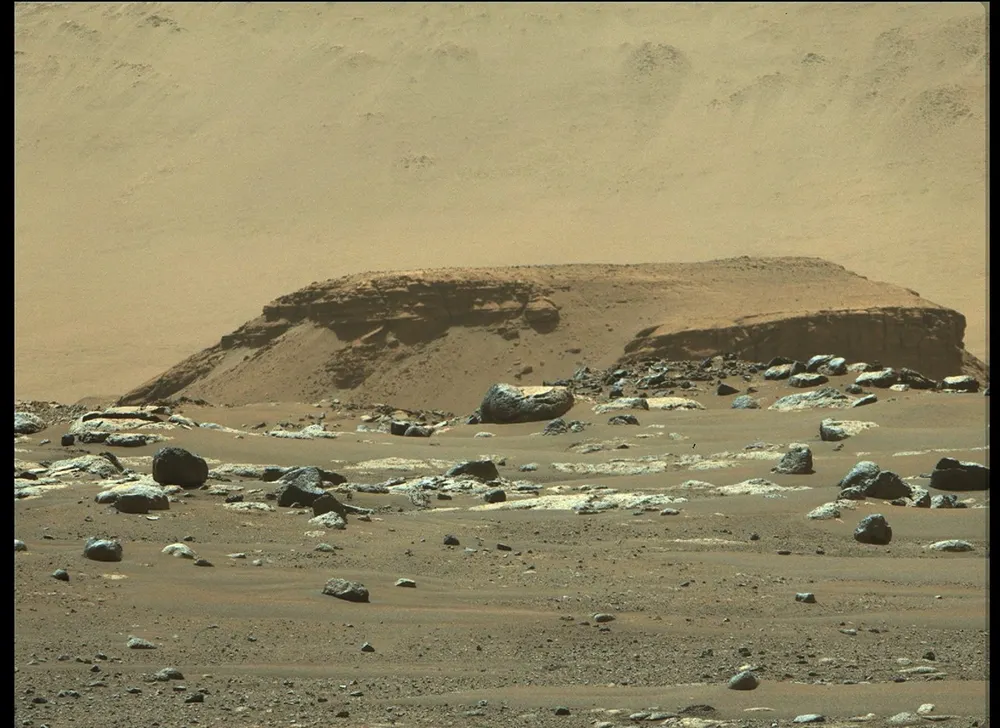
Perseverance’s view of the remnants of Jezero’s ancient river delta.
Perseverance photographed layers consistent with a delta in Jezero Crater. Meteorites independently establish that rocks ejected from Mars can reach Earth.
Reanalyzed observation
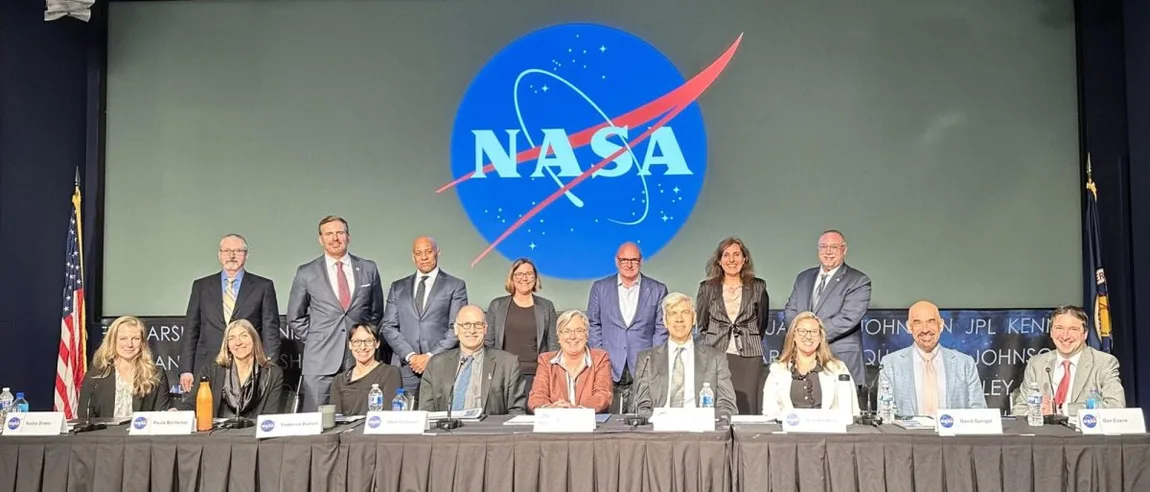
NASA’s independent study team at its May 2023 public meeting. The linked briefing presents the team’s final report.
A moving viewpoint can make a distant object appear to race past the background. AARO used recorded viewing geometry to assess apparent speed in the GoFast video.
Peer-reviewed search
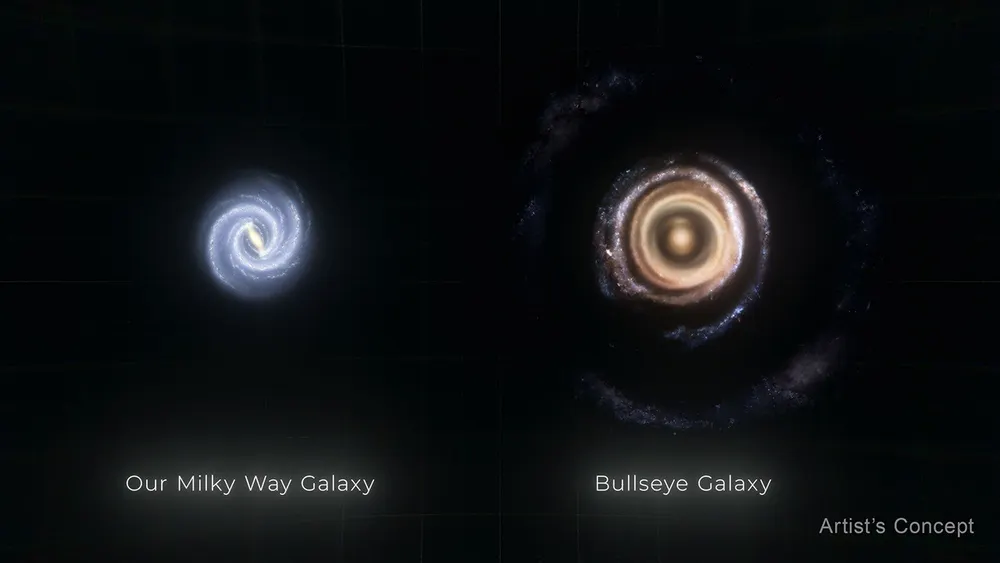
Artist’s comparison of the Milky Way and the Bullseye Galaxy.
Project Hephaistos screened stars for unusual infrared light. An independent analysis explored how background sources could account for candidate signals.
Observed and modeled
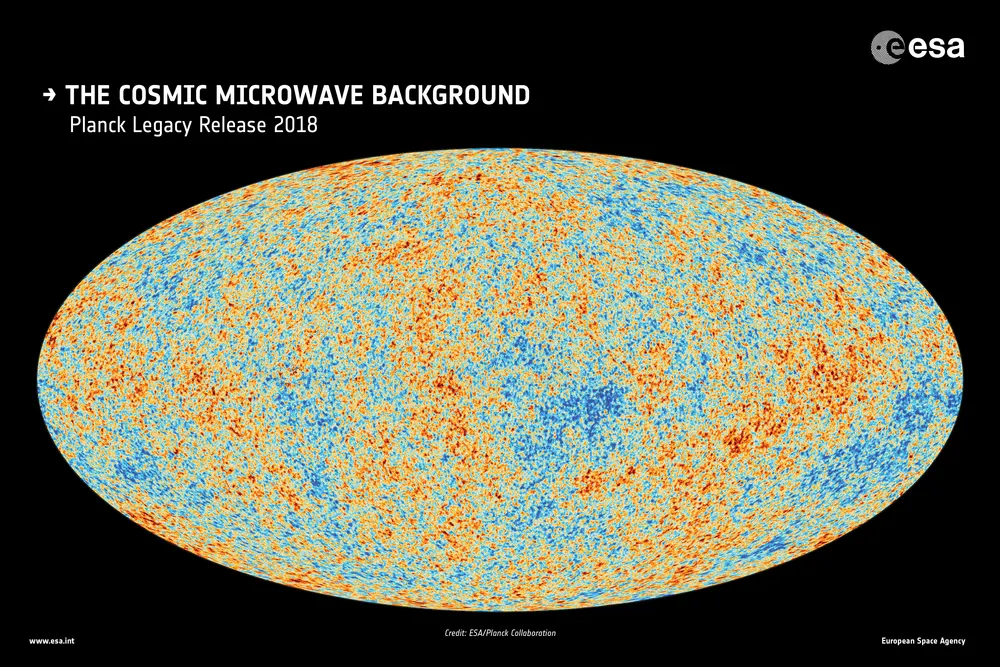
Planck’s full-sky map of the cosmic microwave background.
Planck mapped variations in the cosmic microwave background. Their pattern lets researchers estimate the universe’s contents and test the hot Big Bang model.
Disputed claim
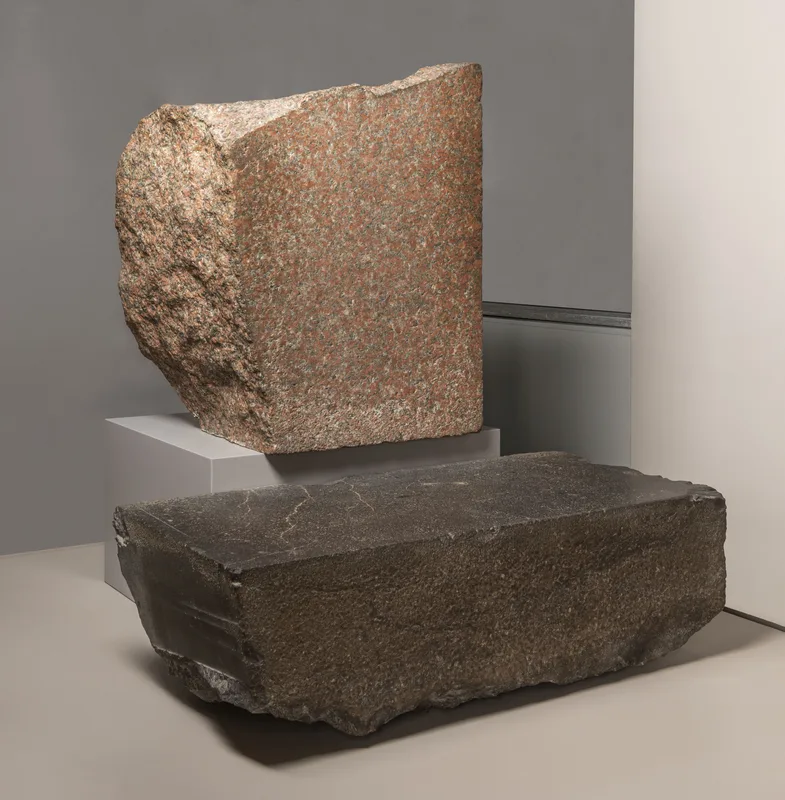
Stone from Khufu’s pyramid temple at Giza, photographed in a museum.
Lost-civilization documentaries ask whether an earlier society passed down sophisticated knowledge. Christopher Dunn’s The Giza Power Plant goes further and assigns the monument a technological purpose.
The trailer presents the broader lost-civilization premise. The radio-wave study addresses a different question about the pyramid’s shape.
Unconfirmed hypothesis
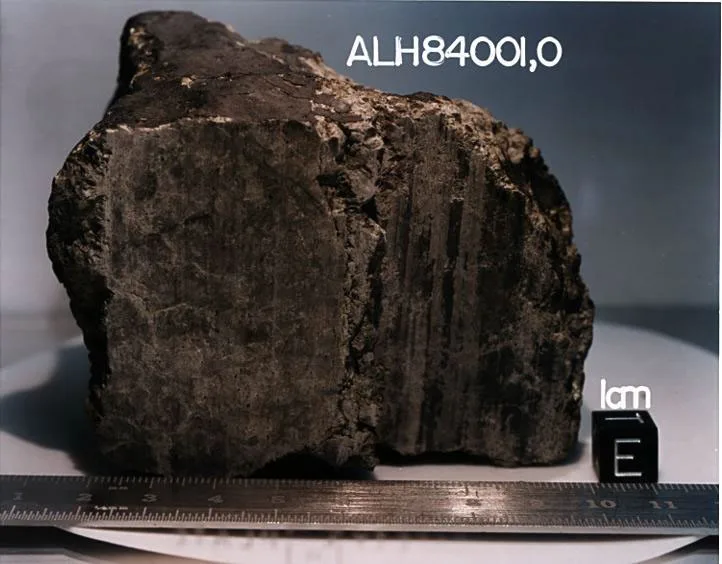
Allan Hills 84001, a Martian rock recovered in Antarctica.
Could microbes have traveled between planets inside rock? The hypothesis requires life to originate, survive ejection and transit, then survive arrival and establish itself.
Speculation
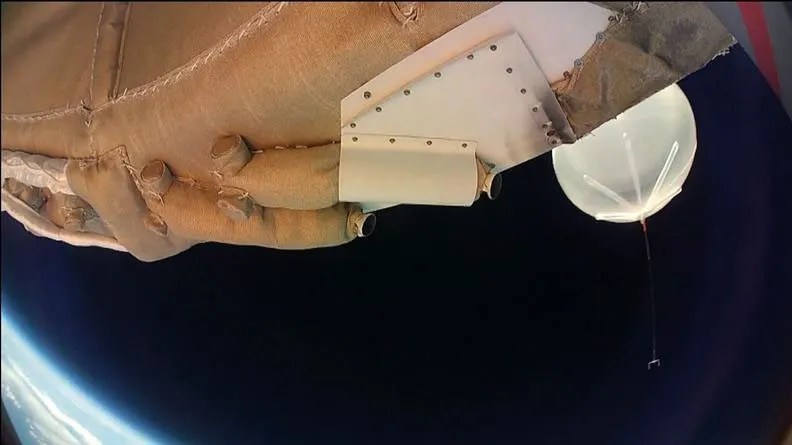
A known object at high altitude: a NASA research balloon. This image illustrates the observation problem discussed in the briefing.
An unfamiliar craft is one proposed explanation for some UAP reports. Sparse observations leave room for multiple explanations.
Published thought experiment
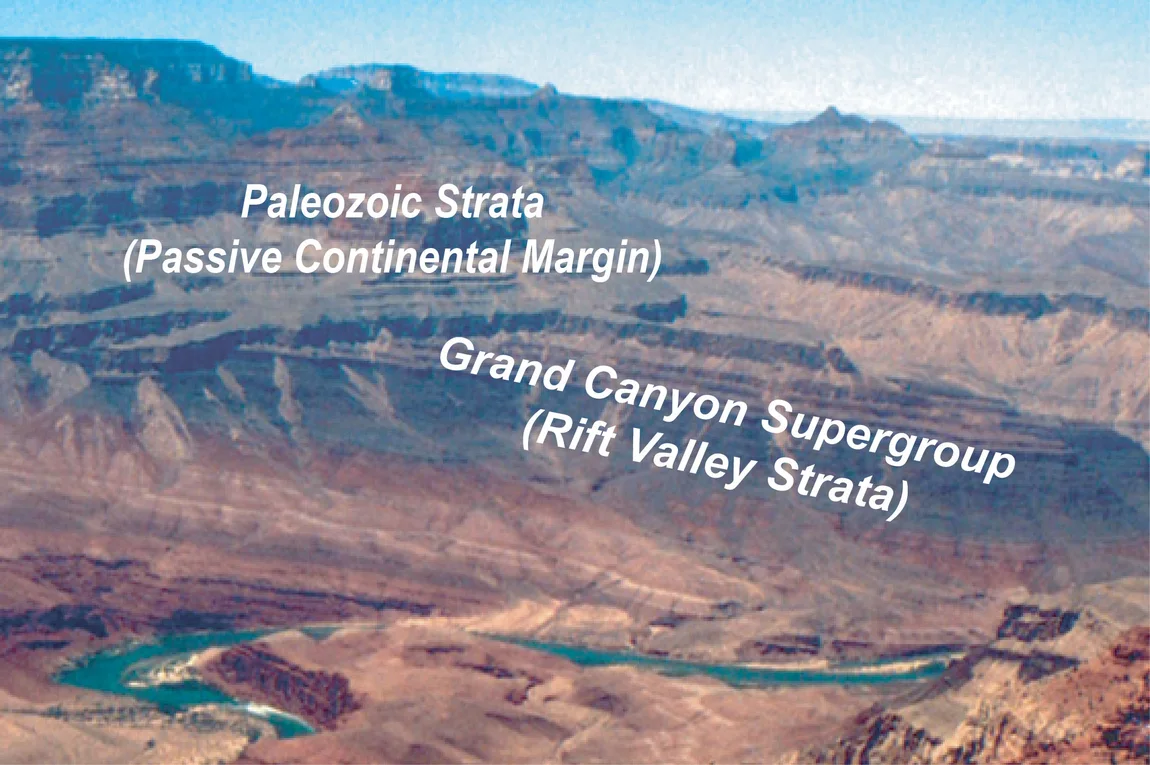
Exposed layers in the Grand Canyon illustrate how past environments can leave a geological record.
Gavin Schmidt and Adam Frank asked how an industrial society predating humans might be detectable in the geological record.
Theoretical proposal
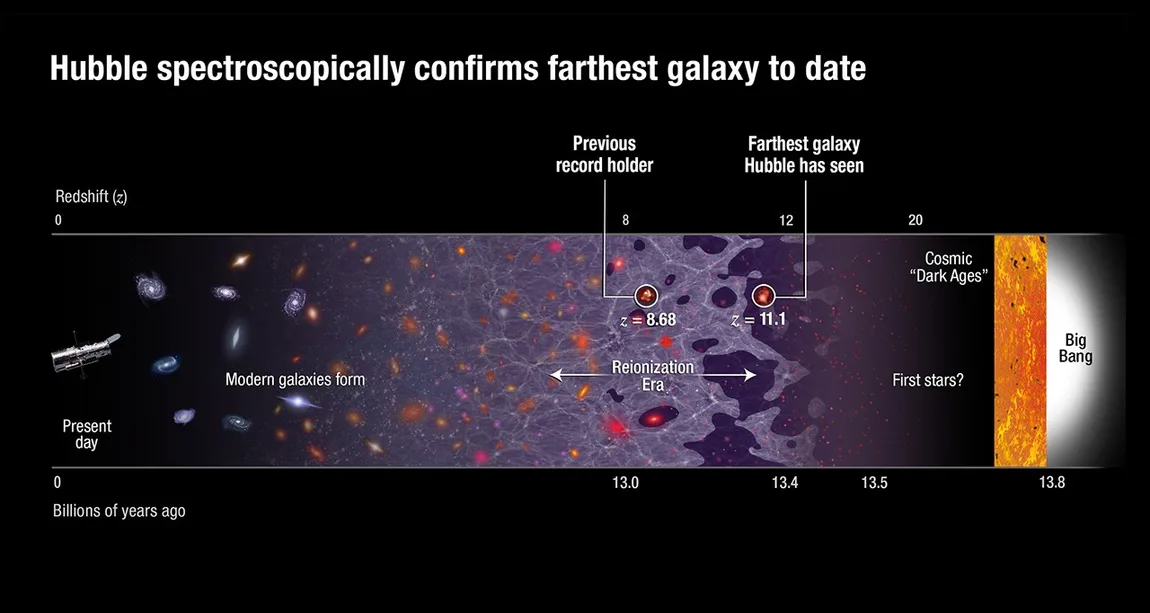
An illustrated timeline of cosmic expansion. The proposed bounce concerns an earlier phase.
NASA, ESA, P. Oesch and B. Robertson (University of California, Santa Cruz), and A. Feild (STScI)
Some models explore whether the expansion we see could have followed an earlier period of contraction.
The Why Files · Crop circles and cover-up claims
Giant patterns show up in fields. Some people see art. Others see a message. The Why Files takes the story through alien theories and an alleged cover-up.
Try an unbroken record of the field before, during, and after the pattern formed. In 1991, Doug Bower and Dave Chorley claimed credit for circles and demonstrated their technique. An elaborate pattern can be made by people. Any stronger claim needs evidence from the formation itself.
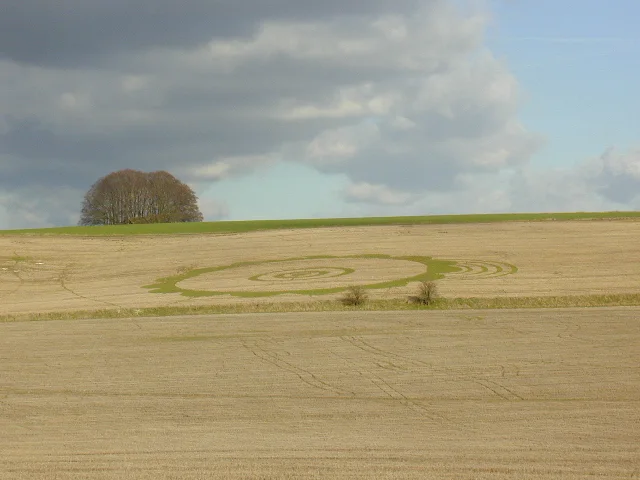
A crop circle photographed near West Kennett, England.
Chris Gunns / Geograph Britain and Ireland (WebP conversion) · License